Pokemon
Behind the Scenes of TAG Grading: Understanding Every Stage of the DIG Report
Key Takeaways: TAG (Technical Authentication & Grading) has taken a different approach to card grading by combining high-resolution imaging, machine-learning analysis, and human verification into a transparent grading process. Unlike traditional grading companies that typically provide only a final grade, TAG’s Digital Imaging & Grading (DIG) report shows collectors exactly how a card was evaluated. From centering measurements to defect mapping and high-resolution scans, every stage is designed to help collectors understand why a card received its final grade.
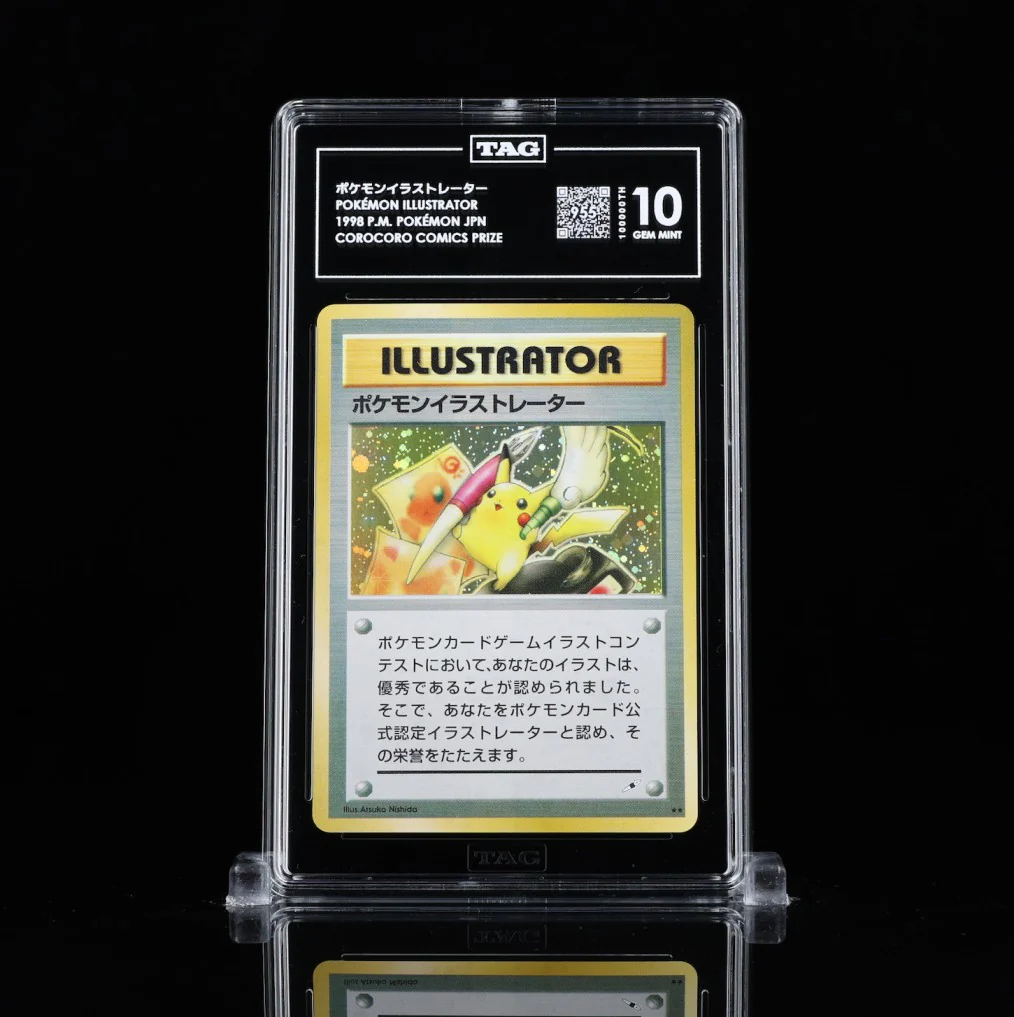
What Is a TAG DIG Report?
When you grade a card with TAG, you don’t just receive a slab.
Every graded card is accompanied by a Digital Imaging & Grading (DIG) Report, an online report that documents the card’s grading journey.
Instead of simply assigning a numerical grade, TAG provides collectors with supporting data, detailed imaging, and visual explanations of many of the factors that contributed to the final result.
Stage 1: Card Overview
The first page serves as the card’s digital identity.
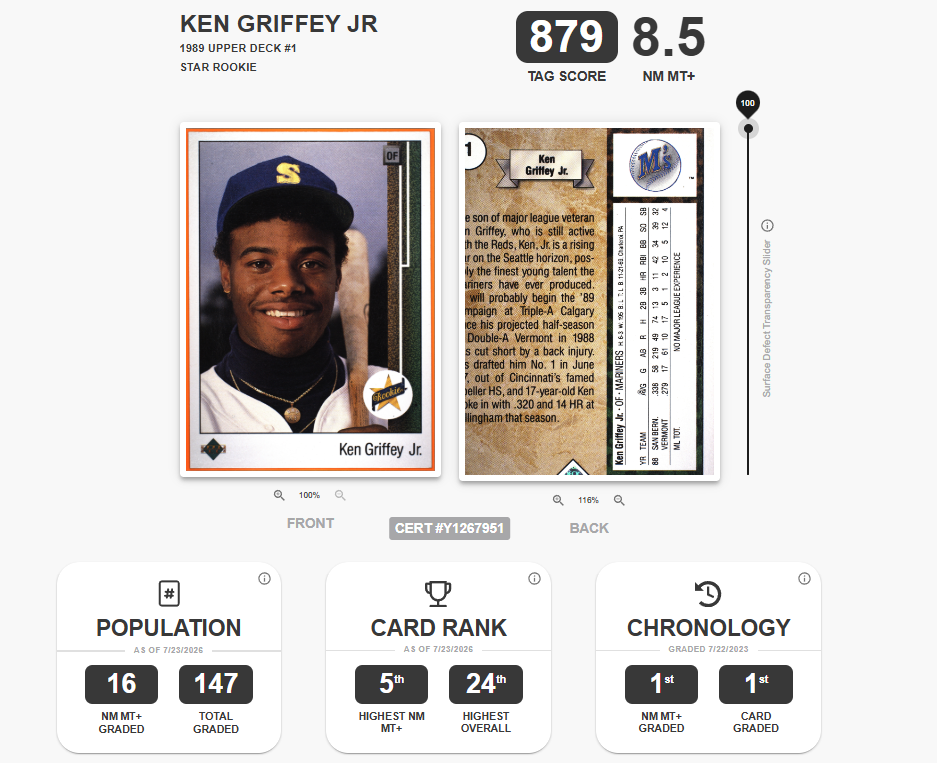
Here you’ll find information including:
- Card name
- Set name
- Card number
- Certification number
- Final TAG grade
- TAG Score (when applicable)
- High-resolution images of the slab
Think of this as the card’s digital certificate. Before diving into the technical details, TAG confirms exactly which card was graded and displays the final result.
Unlike traditional grading labels, this information becomes the starting point for a much deeper report.
Stage 2: Centering Analysis
Centering has always been one of the most important factors in card grading.
Rather than relying solely on visual estimates, TAG uses its imaging system to measure the borders of the card with numerical precision.
The report typically displays measurements for:
- Left vs. right borders
- Top vs. bottom borders
- Front centering
- Back centering
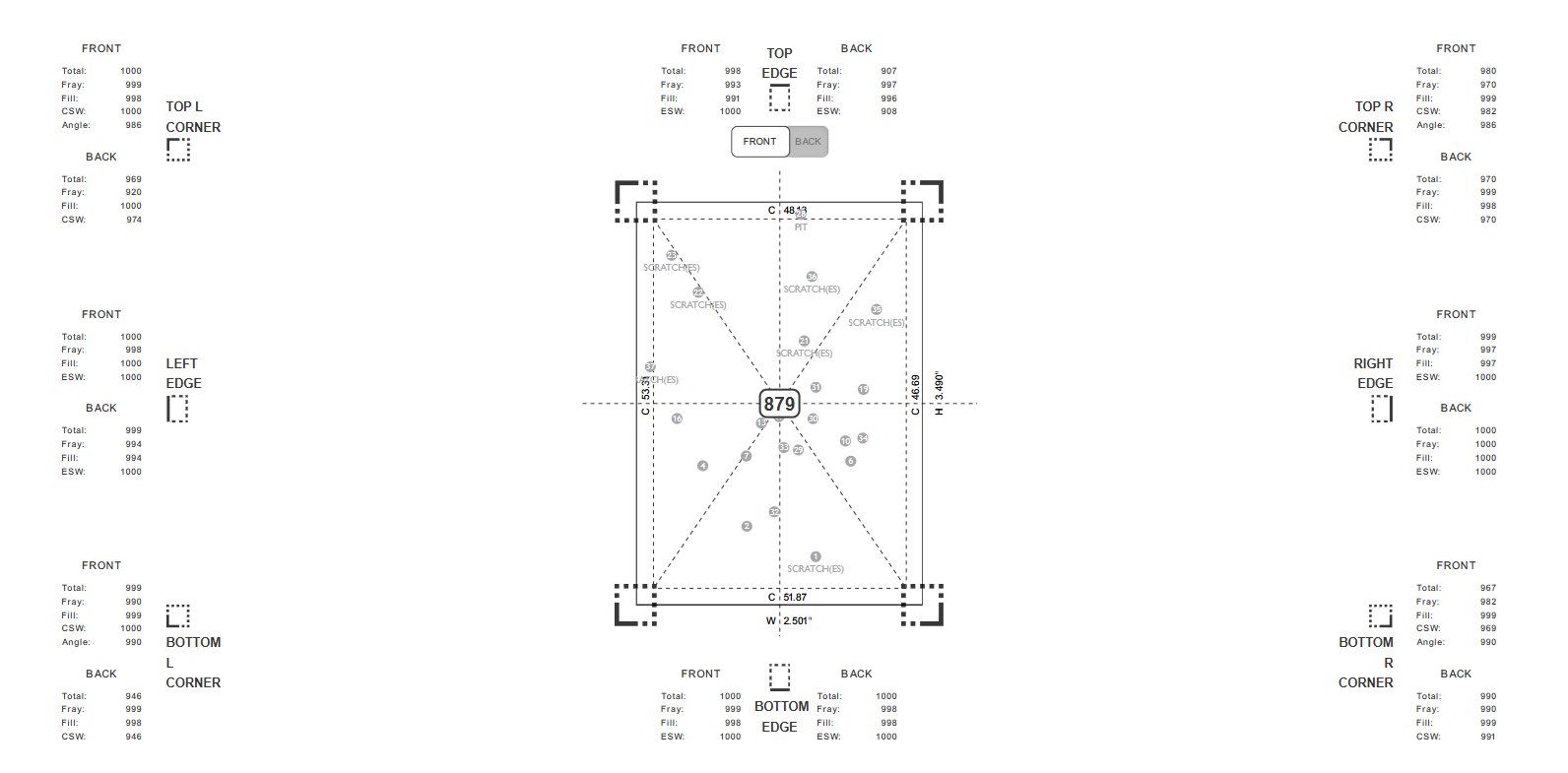
This allows collectors to see exactly how well the card is centered instead of simply wondering whether it met the requirements for a particular grade.
For modern Pokémon cards, where tiny centering differences can separate a Gem Mint card from a Mint example, these measurements provide valuable context.
Stage 3: Surface Inspection
The surface is often where the smallest imperfections hide.
Tiny scratches, print lines, and dents can be difficult to detect under normal lighting, but TAG’s high-resolution imaging is designed to identify these defects during the grading process.
Surface issues may include:
- Scratches
- Print lines
- Scuff marks
- Roller marks
- Surface dents
- Manufacturing defects
- Indentations
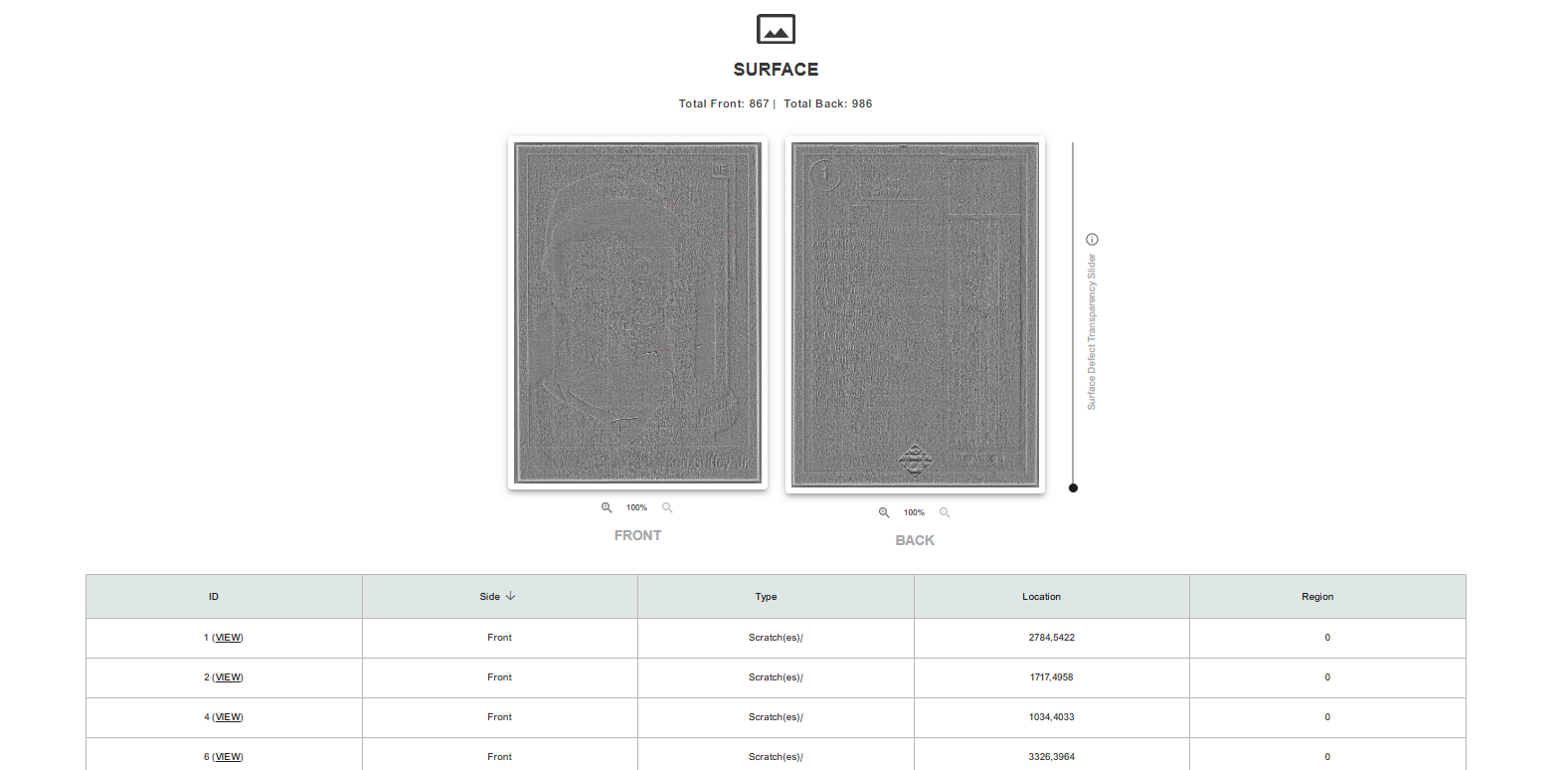
Rather than simply lowering the grade without explanation, the report allows collectors to inspect many of the same areas that influenced the evaluation.
Stage 4: Corner Analysis
Corners receive their own dedicated inspection.
Although corners occupy only a small portion of the card, they often play a significant role in determining high grades.
TAG evaluates each corner individually for defects such as:
- Whitening
- Fraying
- Soft corners
- Small dings
- Manufacturing wear
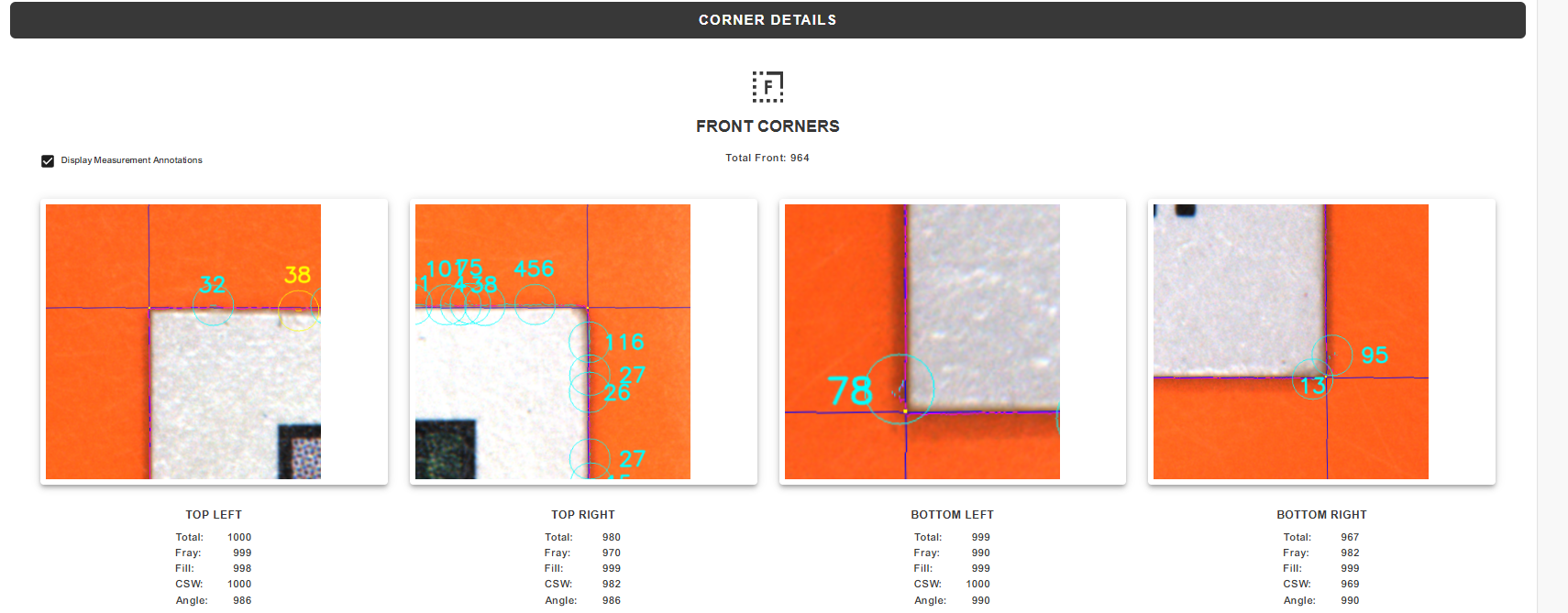
A single damaged corner can sometimes explain why an otherwise excellent card narrowly missed a higher grade.
Stage 5: Edge Analysis
Edges are examined separately from the corners.
Even pack-fresh Pokémon cards can display tiny amounts of edge wear caused during manufacturing or packaging.
TAG looks for imperfections including:
- Edge whitening
- Chipping
- Factory rough cuts
- Peeling
- Small nicks
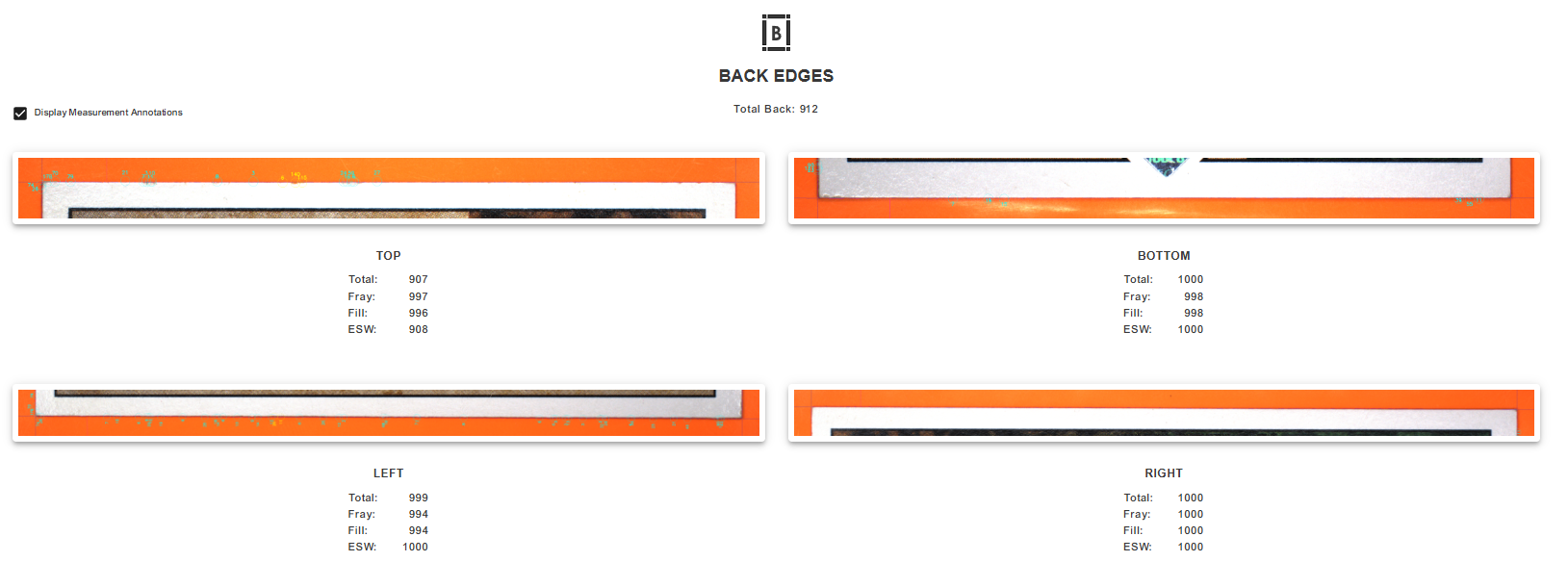
Because these flaws are often extremely small, they may go unnoticed by collectors until they’re highlighted within the DIG report.
Stage 6: The Defect Map (DINGS)
One of the most unique features of TAG’s grading system is its Defect Map, often referred to as DINGS.
Instead of simply stating that a card has surface wear or edge damage, the report marks the approximate locations of detected defects directly on a digital image of the card.
These annotations may identify issues such as:
- Surface scratches
- Edge wear
- Corner damage
- Print defects
- Other detected imperfections
[Insert screenshot of DINGS map]
For collectors, this removes much of the mystery behind the final grade.
Instead of asking:
“Why did this card receive a 9 instead of a 10?”
Collectors can inspect the highlighted areas themselves and understand where points were lost.
Stage 7: Category Scores
After examining every part of the card, TAG summarizes the evaluation across its primary grading categories.
These typically include:
- Centering
- Corners
- Edges
- Surface
Each category contributes to the card’s final grade and, for eligible services, its more precise TAG Score.
Although TAG does not publicly disclose the exact weighting of every category, the report helps collectors identify which areas had the greatest influence on the final result.
Stage 8: The TAG Score
Unlike traditional grading companies that generally stop at whole or half grades, TAG can also assign a more detailed TAG Score on a 1,000-point scale, depending on the grading service selected.
For example:
- Grade: 10
- TAG Score: 986
This additional level of precision allows collectors to distinguish between two cards that both received the same overall grade.
Rather than treating every Gem Mint card as identical, the TAG Score provides a deeper look at relative condition within the same grade.
Stage 9: Population and Ranking
Once grading is complete, the card becomes part of TAG’s population database.
Depending on the card and service, the report may display:
- Total graded population
- Population rank
- Leaderboard position
- Comparative statistics
This gives collectors additional context by showing how their card compares to others graded by TAG.
As TAG’s database continues to grow, these population reports may become increasingly useful for collectors tracking scarcity and grading trends.
Stage 10: High-Resolution Slab Photography
The final stage is something many collectors appreciate but often overlook.
TAG provides professional-quality images of the encapsulated card, which remain accessible through the DIG report.
These images can be used for:
- Insurance documentation
- Marketplace listings
- Collection records
- Sharing collections online

Because the images are permanently linked to the certification number, collectors can easily reference their graded cards long after they have been encapsulated.
Human Verification Still Matters
One common misconception is that TAG relies entirely on artificial intelligence to grade cards.
In reality, TAG describes its grading process as a combination of advanced imaging, machine-learning analysis, and human verification.
After the imaging system analyzes the card and identifies potential defects, trained team members review the findings to confirm the results and reduce false positives before the grade is finalized.
This hybrid approach is designed to combine the consistency of automated analysis with the judgment of experienced graders.
Transparency Is TAG’s Biggest Innovation
The biggest difference between TAG and traditional grading companies isn’t necessarily the slab itself.
It’s the transparency.
For decades, collectors have accepted grading as something of a black box. A card would be submitted, receive a grade, and return with little explanation beyond the number on the label.
TAG’s DIG report takes a different approach.
By providing detailed imaging, centering measurements, defect mapping, and category analysis, collectors gain insight into why a card received its final grade.
Whether or not collectors ultimately prefer TAG over more established grading companies such as PSA, Beckett, or CGC, its emphasis on transparency represents one of the most significant innovations in modern card grading.
Final Thoughts
Grading will always involve careful evaluation, and no grading company is immune from debate. However, TAG has introduced a level of documentation that many collectors have long wanted.
Rather than asking collectors to trust the final number alone, the DIG report invites them to explore the grading process themselves.
From precise centering measurements and high-resolution imaging to defect mapping and detailed category analysis, every stage offers a clearer understanding of how a card was evaluated.
As technology continues to shape the trading card industry, TAG’s approach may influence how collectors expect grading companies to communicate their decisions in the years ahead.